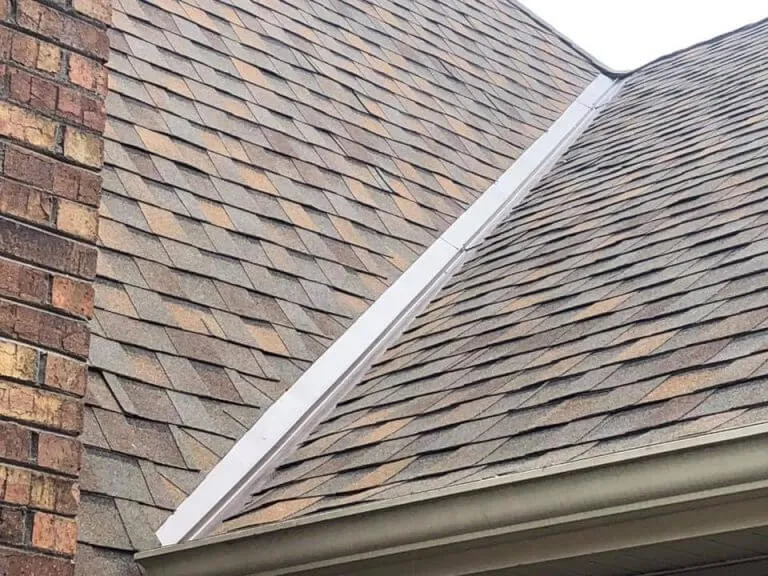
What Is a Roof Valley? Why Roof Valleys Are Common Leak Areas
When two sections of a sloped roof meet, they create a channel called a roof valley. These areas play an important role in directing rainwater off your roof, but they also handle a tremendous amount of water during heavy Florida storms.
Because roof valleys collect runoff from two roof slopes, problems in these areas can lead to leaks, damaged underlayment, and even rotten roof decking if they're not addressed.
For homeowners in Titusville and throughout Brevard County, Florida, understanding how roof valleys work and knowing the warning signs of valley damage can help prevent small roofing problems from becoming expensive repairs.
At Robert Jones Roofing & General Contracting, we inspect roof valleys along with the other critical components of your roofing system during roof inspections and replacements.
What Is a Roof Valley?
A roof valley is the area where two sloping sections of a roof meet.
Think of a valley like a channel that collects rainwater from both sides of the roof and directs it toward the lower edge of the roof.
Because so much water flows through this area, roof valleys need to be properly designed, installed, and maintained.
A properly constructed valley helps:
- Direct rainwater away from the roof
- Prevent water from getting underneath shingles
- Protect the roof decking
- Reduce the risk of leaks
- Move water toward the gutter system
Why Are Roof Valleys Important?
Every part of your roof has a job, but valleys are especially important because they handle a concentrated amount of water.
During a heavy Florida rainstorm, water running down both roof slopes can meet in the valley and flow toward the edge of your home.
If the valley isn't properly protected, water can work its way underneath the roofing materials.
This can eventually lead to:
- Roof leaks
- Damaged underlayment
- Rotten roof decking
- Water stains on ceilings
- Attic moisture
- Mold and mildew
- Interior water damage
That's why roof valleys deserve special attention during a professional roof inspection.
What Types of Roof Valleys Are There?
There are several ways roof valleys can be constructed.
Open Roof Valleys
An open valley leaves a section of metal or other valley material exposed between the shingles.
The exposed material creates a channel for water to flow down the roof.
Open valleys can provide a clearly defined path for water runoff and make it easier to see the condition of the valley material during an inspection.
Closed Roof Valleys
In a closed valley, shingles overlap across the valley rather than leaving the valley material fully exposed.
The shingles create a continuous-looking surface while water flows through the valley underneath the appropriate roofing layers.
Woven Valleys
A woven valley uses shingles from both roof slopes that are interwoven across the valley.
The appropriate valley construction depends on the roofing system, manufacturer requirements, roof design, and applicable building codes.
Why Do Roof Valleys Leak?
There isn't just one reason a roof valley can leak.
Some of the most common causes include:
Improper Installation
Roof valleys require careful installation. If shingles, flashing, or underlayment aren't installed correctly, water may find a path underneath the roofing materials.
Damaged Valley Materials
Storms, falling debris, aging materials, or previous repairs can damage the components protecting the valley.
Debris Buildup
Leaves, branches, pine needles, and other debris can accumulate in valleys.
Because valleys naturally collect water and debris, keeping them clear is an important part of roof maintenance.
Aging Roofing Materials
As a roof gets older, shingles, flashing, and underlayment can deteriorate.
A valley may eventually become vulnerable even if the rest of the roof doesn't appear severely damaged.
Heavy Storms
Florida's heavy rainfall and tropical weather can put significant stress on roof valleys.
What Are the Signs of a Leaking Roof Valley?
Roof valley leaks aren't always immediately obvious.
Some warning signs include:
- Water stains on ceilings
- Moisture in the attic
- Damp insulation
- Missing or damaged shingles near the valley
- Loose roofing materials
- Rust or deterioration on exposed metal
- Mold or mildew
- Water appearing after heavy rain
It's also important to remember that the location of an interior water stain doesn't necessarily tell you where the roof is leaking.
Water can travel along roof decking and framing before entering your home.
If you're experiencing a leak, a professional roof inspection can help identify the actual source.
Why Florida Weather Can Be Hard on Roof Valleys
Florida roofs have to handle some serious weather conditions.
Homes throughout Titusville, Cocoa, Merritt Island, Rockledge, Melbourne, Palm Bay, Viera, and Brevard County regularly experience:
- Heavy rainfall
- High humidity
- Intense sunlight
- Tropical storms
- Hurricane-force winds
- Wind-driven rain
All of this makes proper water management extremely important.
During a major storm, enormous amounts of water can flow through a roof valley in a relatively short period of time.
A properly installed roofing system helps channel that water safely away from your home.
Can a Roof Valley Be Repaired?
Yes, depending on the condition of the valley and the surrounding roofing materials.
A roofing contractor may be able to repair a localized problem without replacing the entire roof.
Possible repairs can include:
- Replacing damaged shingles
- Repairing valley flashing
- Replacing deteriorated underlayment
- Sealing appropriate areas
- Repairing damaged roof decking
If the surrounding roof is severely aged or has widespread damage, however, a complete roof replacement may make more sense.
What Happens If Water Gets Under a Roof Valley?
If water gets beneath the roofing materials, it can eventually reach the layers underneath.
The first layer affected may be the roof underlayment.
If moisture continues past the underlayment, it can reach the roof decking.
Once the decking becomes exposed to repeated moisture, it can deteriorate and eventually become rotten.
We recently explained what happens when rotten wood is found during a roof replacement, including why damaged decking sometimes isn't discovered until the existing roof is removed.
This is one reason fixing a roof leak early is so important.
How Does Roof Valley Flashing Work?
Many roofing systems use flashing or other protective materials in the valley to help direct water safely toward the edge of the roof.
This is different from the flashing used around other roof penetrations.
If you're interested in learning about flashing in general, see our guide on what roof flashing is and why it's important
The exact valley construction depends on the roof design, roofing material, manufacturer's installation requirements, and applicable building codes.
Can Roof Valleys Be Damaged During Storms?
Yes.
Strong winds and severe weather can damage shingles and other roofing components around a valley.
After a major storm, it's a good idea to have your roof inspected even if you don't notice an obvious leak.
Some storm damage isn't visible from the ground.
A professional inspection can identify:
- Missing shingles
- Lifted shingles
- Damaged flashing
- Exposed underlayment
- Damaged valley materials
- Roof decking concerns
How Can Homeowners Protect Their Roof Valleys?
Regular roof maintenance can help identify potential problems before they become major issues.
Keep Valleys Clear
Leaves and debris should not be allowed to build up in roof valleys.
Keep Gutters Clear
Blocked gutters can interfere with the way water leaves your roof.
Inspect Your Roof After Major Storms
Strong winds and heavy rain can damage roofing materials.
Address Leaks Quickly
Don't wait for a small ceiling stain to become a major water-damage problem.
Schedule Regular Roof Inspections
Professional inspections can identify deterioration that isn't obvious from the ground.
Why Roof Valley Installation Matters
A roof valley isn't simply a gap where two roof slopes meet.
It's an engineered part of the roofing system that needs to work together with:
- Shingles
- Underlayment
- Flashing
- Roof decking
- Gutters
- Roof ventilation
The installation method needs to be appropriate for the roofing material and roof design.
That's why roofing workmanship matters just as much as the shingles themselves.
Why Brevard County Homeowners Choose Robert Jones Roofing
At Robert Jones Roofing & General Contracting, we understand that your roof is a complete system.
Our team looks beyond the visible shingles and evaluates important areas such as valleys, flashing, underlayment, roof decking, pipe boots, and other vulnerable areas.
We proudly serve homeowners throughout Titusville and Brevard County, including:
- Titusville
- Cocoa
- Merritt Island
- Rockledge
- Melbourne
- Palm Bay
- Viera
- Surrounding Brevard County communities
Homeowners choose Robert Jones Roofing because we provide:
- Family-owned and operated service
- More than 20 years of roofing experience
- Licensed and insured professionals
- Quality roofing materials
- Honest recommendations
- Professional workmanship
- Thorough cleanup
- Free roof inspections and estimates
Frequently Asked Questions
What is the purpose of a roof valley?
A roof valley collects rainwater from two sloped sections of your roof and directs it toward the lower edge of the roof and drainage system.
Are roof valleys prone to leaks?
They can be. Because valleys handle large amounts of water, improper installation, damaged materials, debris, and aging roofing components can increase the risk of leaks.
How do I know if my roof valley is leaking?
Signs can include ceiling stains, attic moisture, damaged shingles near the valley, deteriorated flashing, or water appearing after heavy rain.
Can a leaking roof valley be repaired?
In many cases, yes. The appropriate repair depends on the cause of the leak and the condition of the surrounding roofing materials.
Should roof valleys be inspected during a roof inspection?
Yes. Roof valleys are one of the areas a professional roofer should evaluate when inspecting the condition of your roofing system.
Schedule Your Free Roof Inspection in Brevard County
Roof valleys handle a tremendous amount of water every time it rains. If they're damaged or improperly installed, a small problem can eventually turn into significant water damage.
If you've noticed a leak, damaged shingles, or other concerns with your roof, don't wait until the next major storm.
Robert Jones Roofing & General Contracting provides professional roof inspections, roof repairs, storm damage assessments, and roof replacements throughout Titusville and Brevard County, Florida.
Contact us today to schedule your FREE roof inspection and estimate.